
 admin
adminIntroduction to 5starsstocks.com 3D Printing Stocks
The world of 3D printing has moved far beyond simple prototypes and hobby projects. Today, it powers industries like healthcare, aviation, automotive, construction, and consumer goods. As the technology grows, many investors search for reliable insights into promising 3D printing companies. One of the trending queries in this space is “5starsstocks.com 3D printing stocks”, reflecting a growing demand for structured stock analysis and investment breakdowns.
This blog explores the potential of 3D printing stocks, the industries they influence, the factors to consider before investing, and how platforms providing stock insights—similar to those referenced in 5starsstocks-style research—can help guide smarter decisions. Whether you’re a beginner or a seasoned investor, this article delivers a deep, easy-to-understand overview.
What Are 3D Printing Stocks?
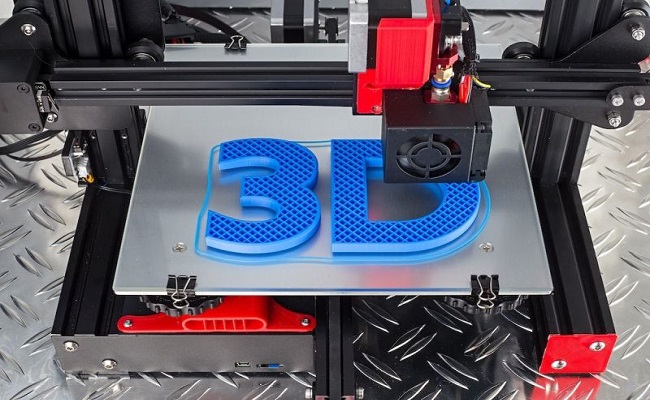
3D printing stocks represent companies involved in additive manufacturing technology. These companies build printers, develop materials, create design software, or integrate 3D printing into industrial processes.
The industry is supported by major developments such as:
-
Metal 3D printing
-
Bio-printing and medical implants
-
Large-scale industrial printing
-
Software-driven automation
-
Construction and housing applications
Many investors turn to stock research platforms—like those searched using keywords such as “5starsstocks.com 3D printing stocks”—to evaluate which companies show consistent growth potential.
Why 3D Printing Stocks Are Increasing in Popularity
Investors are drawn to 3D printing stocks because the technology is transforming global manufacturing. Key reasons include:
1. Industrial Adoption Across Multiple Sectors
Aerospace, healthcare, dentistry, defense, construction, and fashion now rely on 3D printing for precision and personalized production.
2. Reduced Manufacturing Costs
By minimizing waste, reducing labor, and enabling fast prototyping, companies cut production expenses significantly.
3. Unmatched Customization
Unlike traditional manufacturing, 3D printing allows companies to produce customized items at scale.
4. Strong Growth Forecast
Analysts expect the global 3D printing market to exceed $100+ billion over the next decade, showing massive potential for early investors.
5. Innovation at High Speed
New materials, technologies, and applications emerge regularly, keeping investor interest high.
Types of Companies in the 3D Printing Sector
Here are the major categories of 3D printing-related companies:
1. 3D Printer Manufacturers
These companies design and produce the machines that create 3D-printed parts. They cater to industries such as:
-
Aerospace manufacturing
-
Automotive prototyping
-
Dental and medical implant production
-
Construction technology
-
Consumer goods
2. Material Suppliers
Materials are the backbone of additive manufacturing. Companies in this category produce:
-
Metal powders
-
Engineering thermoplastics
-
High-strength composite materials
-
Resins
-
Bio-compatible materials
Material suppliers often enjoy recurring revenue since clients constantly need refills.
3. Software and Digital Workflow Providers
Software controls the 3D printing process. Companies in this segment develop:
-
CAD design tools
-
Simulation software
-
Slicing automation
-
AI-powered optimization systems
These companies are essential for improving print quality and speeding up workflows.
4. Medical and Bioprinting Companies
This is one of the fastest-growing areas within the industry.
They specialize in:
-
3D-printed prosthetics
-
Dental implants
-
Surgical models
-
Tissue engineering
-
Customized medical devices
As demand rises for patient-specific solutions, these companies show long-term promise.
5. Industrial Integration Companies
Large corporations also invest heavily in integrating 3D printing into their production lines to reduce costs and increase efficiency.
These include firms in:
-
Aerospace and defense
-
Automotive manufacturing
-
Energy equipment
-
Robotics
Market Trends Driving 3D Printing Growth
Several key trends make 3D printing stocks more appealing:
1. Healthcare Breakthroughs
The industry is using 3D printing to create implants, surgical guides, and even experimental bio-printed tissues.
2. Aerospace and Defense Adoption
Lightweight components made through additive manufacturing are essential for aircraft and satellites, making the technology indispensable.
3. Construction and Housing Innovation
3D-printed houses can be built faster, cheaper, and with less material waste. This sector may explode as demand for affordable housing grows.
4. Sustainable Manufacturing
3D printing reduces waste significantly, making it attractive for companies focused on sustainability goals.
5. Mass Customization
Customized footwear, eyewear, car parts, and accessories are becoming mainstream thanks to 3D printing.
How Platforms Like 5starsstocks-Style Analysis Help Investors
When people search “5starsstocks.com 3D printing stocks”, they are often looking for:
-
Stock rankings
-
Growth potential charts
-
Price analysis
-
Comparison of top 3D printing companies
-
Risk profiles
-
Market trend reports
Platforms that offer structured stock breakdowns help investors avoid guesswork and make data-driven decisions.
Key Things to Consider Before Investing in 3D Printing Stocks
3D printing stocks can be rewarding, but thoughtful analysis is essential. Consider the following:
1. Financial Stability
Check quarterly revenue, debt levels, and profitability.
2. Innovation and Patents
Companies with unique patents and strong R&D often dominate the market.
3. Sector Growth
Focus on companies positioned in high-growth areas, such as medical or industrial metal printing.
4. Competition
This industry is crowded. Evaluate market share, partnerships, and long-term strategy.
5. Real-World Applications
Companies with proven industrial use cases tend to grow faster than those focused solely on prototypes.
Risks Associated With 3D Printing Stocks
Like all emerging technologies, additive manufacturing comes with risks:
1. Market Volatility
Prices can fluctuate rapidly, especially for small-cap companies.
2. Rapid Technology Changes
A company that doesn’t innovate may quickly fall behind competitors.
3. High R&D Costs
Research and development expenses can limit profitability.
4. Competitive Pressure
New players enter the market every year, increasing industry rivalry.
Understanding these risks helps investors create a more balanced strategy.
Final Thoughts
3D printing is transforming the world of manufacturing, creating immense opportunities for investors. The technology’s expansion into healthcare, aerospace, construction, and consumer products shows no sign of slowing down. By evaluating financial strength, innovation potential, and real-world applications, investors can confidently enter the 3D printing market.
Using data-driven research and sector insights helps you identify promising stocks and avoid unnecessary risks. As adoption increases worldwide, 3D printing stocks could become one of the most exciting long-term investment opportunities available today.
Visit our website for more blogs,https://lotterynewsportal.com/
FAQs About 3D Printing Stocks
**1. What are 3D printing stocks?
Companies involved in additive manufacturing—printer makers, material suppliers, software developers, and medical 3D printing companies.
2. Are 3D printing stocks worth investing in?
Yes, especially for long-term investors who target innovative companies with strong growth potential.
3. Is the 3D printing industry growing?
The industry is projected to grow significantly, potentially crossing $100 billion in global market value within a decade.
4. What sectors benefit most from 3D printing?
Healthcare, aerospace, automotive, construction, manufacturing, and consumer goods.
5. How can investors research the best 3D printing stocks?
Platforms offering structured stock insights—similar to those referenced in “5starsstocks.com 3d printing stocks”—help compare performance and evaluate opportunities.